在家装工装中济南水泥砂浆的五类适用场景和相关配比
来源:https://www.jnfhjc.com 日期:2025-12-12 发布人:
水泥砂浆在家装工装中的主要适用场景可分为以下五类,具体如下:
The main application scenarios of cement mortar in home decoration fixtures can be divided into the following five categories, as follows: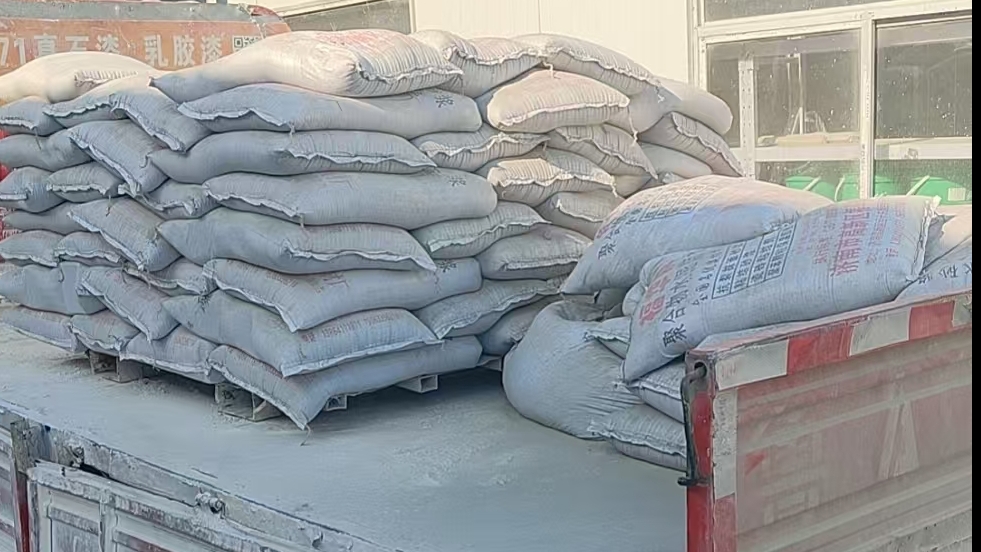
地面与墙面工程
Ground and wall engineering
地面找平 :用于楼地面找平,确保地面施工精度。
Ground leveling: used for floor leveling to ensure the accuracy of ground construction.
墙面抹灰 :适用于墙面找平和保护,常见配比1:1(水泥:沙)。
Wall plastering: suitable for wall leveling and protection, with a common ratio of 1:1 (cement: sand).
贴砖施工 :湿贴法需2:1配比(水泥:沙),增强粘结性并避免墙面过厚。
Bricklaying construction: Wet tiling method requires a 2:1 ratio (cement: sand) to enhance adhesion and avoid excessive wall thickness.
砌体结构
masonry structure
基础与承重墙 :如地下室、承重墙等需高强度砂浆(如M10),配比1:5.27(水泥:沙:水)。
Foundation and load-bearing walls: such as basements, load-bearing walls, etc. require high-strength mortar (such as M10) with a ratio of 1:5.27 (cement: sand: water).
非承重墙 :隔断墙、填充墙多用1:2配比(水泥:沙),满足轻质砌体需求。
Non load bearing walls: Partition walls and infill walls often use a 1:2 ratio (cement: sand) to meet the requirements of lightweight masonry.
管道与设施安装
Pipeline and facility installation
用于封闭式管路、线路铺设,需1:1配比水泥砂浆确保密封性。
Used for laying closed pipelines and lines, a 1:1 ratio of cement mortar is required to ensure sealing.
特殊场景
special scenario
防水需求 :在水泥砂浆中掺加防潮粉制作防水层。
Waterproof requirement: Add moisture-proof powder to cement mortar to make a waterproof layer.
防辐射场景 :核电站设备基础需高抗辐射混凝土(掺重晶石等骨料)。
Radiation protection scenario: The foundation of nuclear power plant equipment requires high radiation resistant concrete (mixed with aggregates such as barite).
总结 :水泥砂浆在家装中以砌体、抹灰为核心应用,配比根据强度需求调整,同时结合防水、抗辐射等特殊需求扩展功能。
Summary: Cement mortar is mainly used for masonry and plastering in home decoration. The ratio is adjusted according to the strength requirements, and combined with special needs such as waterproofing and radiation resistance to expand its functions.
水泥砂浆配比的调整需根据工程需求和施工条件灵活优化,具体方法如下:
The adjustment of cement mortar ratio needs to be flexibly optimized according to engineering requirements and construction conditions. The specific methods are as follows:
一、基础配比原则
1、 Basic ratio principle
常用比例
Common proportion
1:3(水泥:砂) :适用于一般砌筑和抹灰,兼顾强度与施工便利性。
1: 3 (Cement: Sand): Suitable for general masonry and plastering, balancing strength and construction convenience.
1:2-1:2.5(水泥:砂) :用于抹面,需更高强度和光滑度。
1: 2-1:2.5 (cement: sand): Used for plastering, requiring higher strength and smoothness.
1:3:1(水泥:砂:水) :规范标准比例,适用于多种场景。
1: 3:1 (cement: sand: water): standardized ratio, suitable for various scenarios.
二、调整依据与方法
2、 Adjustment basis and method
水灰比控制
Water cement ratio control
水灰比通常为0.6-0.8,根据砂浆稠度需求调整。例如,1:3比例的水泥砂浆实际水含量约为0.6(体积比)。
The water cement ratio is usually 0.6-0.8, adjusted according to the consistency requirements of the mortar. For example, the actual water content of a 1:3 ratio cement mortar is about 0.6 (volume ratio).
施工中可通过分次加水保持均匀性,避免过湿或过干。
During construction, water can be added in stages to maintain uniformity and avoid being too wet or too dry.
材料特性优化
Optimization of material properties
细砂 :需增加水泥用量(如1:3比例中水泥占比提高)。
Fine sand: It is necessary to increase the amount of cement used (such as increasing the proportion of cement in a 1:3 ratio).
粗砂 :可适当减少水泥量,或配合外加剂改善粘结性。
Coarse sand: The amount of cement can be appropriately reduced, or mixed with additives to improve adhesion.
特殊需求 :保温砂浆加纤维素醚,抗裂砂浆加纤维材料。
Special requirements: Insulation mortar with cellulose ether, anti cracking mortar with fiber material.
施工工艺适配
Construction process adaptation
机械施工需更大流动性,可适当减少用水量;手工施工则需增加水分。
Mechanical construction requires greater fluidity and can reduce water usage appropriately; Manual construction requires an increase in moisture content.
高温环境需增强保水性,低温环境可添加早强剂。
High temperature environments require enhanced water retention, while low temperature environments can be treated with early strength agents.
三、注意事项
3、 Precautions
试配验证 :理论计算后建议通过试配检测稠度、强度等指标,确保符合要求。
Trial fitting verification: After theoretical calculation, viscosity, strength and other indicators must be tested through trial fitting to ensure compliance with requirements.
添加剂使用 :如需改善性能,需严格控制添加剂种类和用量,避免影响砂浆质量。
Additive usage: To improve performance, it is necessary to strictly control the type and amount of additives to avoid affecting the quality of mortar.
规范遵循 :优先参考国家标准或设计要求,避免材料浪费。
Standard compliance: Priority should be given to referring to national standards or design requirements to avoid material waste.
通过以上方法,可灵活调整水泥砂浆配比,满足不同工程场景的需求。
Through the above methods, the cement mortar ratio can be flexibly adjusted to meet the needs of different engineering scenarios.
本文由 济南水泥砂浆 友情奉献.更多有关的知识请点击 https://www.jnfhjc.com/ 真诚的态度.为您提供为多维度的服务.更多有关的知识我们将会陆续向大家奉献.敬请期待.
This article is a friendly contribution from Jinan Cement Mortar For more related knowledge, please click https://www.jnfhjc.com/ Sincere attitude To provide you with comprehensive services We will gradually contribute more relevant knowledge to everyone Coming soon.




 鲁公网安备
鲁公网安备