
石膏粉:嵌缝、找平、补洞,用错地方等于白干
来源:https://www.jnfhjc.com 日期:2026-09-18 发布人:
石膏粉在装修中有三个主要用途,但每个用途对石膏粉的要求并不相同。用错了地方,轻则浪费材料,重则修补后再次开裂。
Gypsum powder has three main uses in decoration, but each use has different requirements for gypsum powder. Using the wrong place can result in wastage of materials, and in severe cases, it can lead to cracking again after repair.
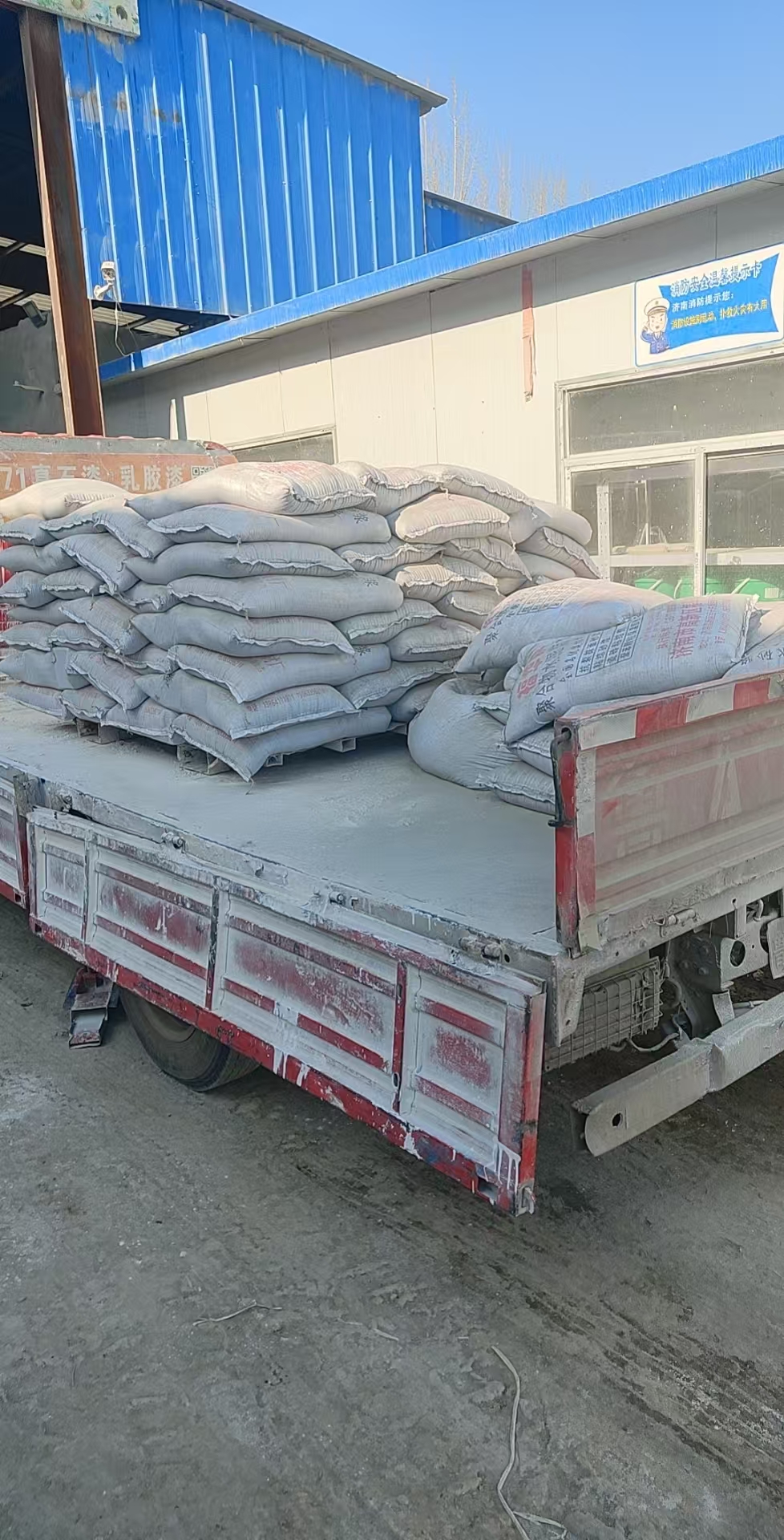
嵌缝是石膏粉非常“本职”的工作。 嵌缝石膏主要用于石膏板之间的接缝、钉眼等部位的填缝补平处理,也适用于修补室内墙面孔洞、缝隙、线槽和局部平整度很差的地方。嵌缝石膏需要具备一个关键特性:微膨胀。石膏在凝固过程中体积略有膨胀,恰好抵消了干燥收缩,使嵌缝处不容易开裂。嵌缝时还要配合接缝纸带或网格布使用,形成“石膏+增强材料+石膏”的三明治结构,抗裂效果远优于单纯填缝。
Jointing is the most essential job of gypsum powder. Jointing gypsum is mainly used for filling and leveling joints, nail holes, and other areas between gypsum boards. It is also suitable for repairing indoor wall holes, gaps, cable ducts, and areas with poor flatness. Jointing gypsum requires a key characteristic: slight expansion. During the solidification process, gypsum slightly expands in volume, which precisely offsets the drying shrinkage and makes the joint less prone to cracking. When filling seams, it is also necessary to use joint paper tape or mesh cloth to form a sandwich structure of "gypsum+reinforcement material+gypsum", which has a much better crack resistance effect than simply filling seams.
阴阳角找直是石膏粉的“精细活”。 毛坯房的墙角往往不直,直接用腻子找直需要批很厚,干燥慢且容易开裂。石膏粉主要用于嵌缝、填补孔洞和阴阳角修正,颗粒粗糙,凝结后坚硬不易打磨。先用石膏粉把墙角大致刮直,干透后再用腻子精细找平。这里的关键是“分层”——一次刮太厚,石膏在凝固过程中会因水化放热而开裂。每层厚度控制在合理范围内,等上一层干透再刮下一层。
The straightening of yin and yang corners is a delicate activity of gypsum powder. The corners of rough houses are often not straight, and directly using putty to straighten them requires a thick layer, which dries slowly and is prone to cracking. Gypsum powder is mainly used for jointing, filling holes, and correcting internal and external corners. The particles are rough and hard to polish after setting. First, use gypsum powder to roughly straighten the corner of the wall, and then use putty to finely level it after it dries completely. The key here is "layering" - if one scraping is too thick, the gypsum will crack during the solidification process due to hydration heat release. Control the thickness of each layer within a reasonable range and wait for the previous layer to dry before scraping the next layer.
补洞是石膏粉的“力气活”。 墙面上的孔洞、开关插座周围的缝隙,需要用石膏粉填补。小孔洞直接用石膏浆填满刮平即可。大孔洞需要先用碎砖或砂石填充基底,再覆盖石膏层,否则石膏层太厚容易塌陷。补洞时有一个技巧:把孔洞边缘扩成“倒锥形”(里面宽、外面窄),石膏填入后会形成一个“锚固”结构,比直筒形的孔洞更牢固。
Mending holes is a powerful activity of gypsum powder. The holes on the wall and the gaps around the switches and sockets need to be filled with gypsum powder. Fill the small holes directly with gypsum slurry and scrape them flat. Large holes need to be filled with broken bricks or sand first, and then covered with a gypsum layer, otherwise the gypsum layer is too thick and prone to collapse. There is a technique for repairing holes: expand the edge of the hole into an "inverted cone" shape (wider inside and narrower outside), and fill it with gypsum to form an "anchoring" structure that is more secure than a straight cylindrical hole.
一个常见的错误:用石膏粉做大面积墙面找平。 嵌缝石膏骨料非常细腻,硬度不强,柔韧性不好,且耐水性相对差,大面积找平容易起皮脱落、开裂。大面积找平应该用粉刷石膏或腻子,而不是嵌缝石膏。搞清楚石膏粉的“能力边界”——嵌缝、找直、补洞用嵌缝石膏,大面积找平交给粉刷石膏或腻子——各司其职,墙面才能真正平整耐用。
A common mistake is to use gypsum powder to level large areas of walls. The joint gypsum aggregate is very delicate, with weak hardness, poor flexibility, and relatively poor water resistance. It is prone to peeling, peeling, and cracking during large-scale leveling. Large scale leveling should be done with plaster or putty, rather than joint plaster. Clarify the "capability boundary" of gypsum powder - using joint filling gypsum for jointing, straightening, and hole filling, and handing over large areas of leveling to plastering gypsum or putty - each performing their own duties, so that the wall can be truly flat and durable.


 鲁公网安备
鲁公网安备